
My Blog

Exploring Life’s Complex Tapestry, options reveal routes to the exceptional, requiring Innovation, Inquisitiveness, and Bravery for a Deeply Satisfying Voyage.
** Lords On Wheel **
** Food For Fire **
** Nilackakra **
** ShreeMahaprasad **
Contact :- pratihari73@gmail.com
Mob :- 9438011970
My Beliefs
Here’s an inspirational article draft based on your theme “Jagannatha, the Ultimate Destiny of Living Beings”, focusing on philosophy, servitor pride, and temple heritage:
Jagannatha – The Ultimate Destiny of All Living Beings
Life, in its essence, is a divine journey—a movement from the unknown to the eternal, from the temporary to the everlasting truth. In this vast ocean of existence, the soul longs for an anchor, a refuge, a purpose beyond the fleeting illusions of the material world. That ultimate shelter, that eternal destination, is none other than Lord Jagannatha, the Lord of the Universe, who stands as the embodiment of love, compassion, and liberation for all beings.
The String of Māyā – Bonding the World
The great scriptures reveal a profound truth: every living being is bound by an invisible string called Māyā. It is this Māyā that creates attachment, desires, and illusions, making us identify with the temporary world rather than the eternal soul. Yet, the same string of Māyā, when turned toward devotion, becomes a golden chain pulling us closer to the Divine.
In the sacred city of Puri, this philosophy breathes every day. Here, the magnificent Jagannath Temple stands as a spiritual lighthouse, guiding countless souls through the fog of illusion toward the ultimate truth. Every ritual, every tradition, every sacred service inside the temple is a step to cut the bonds of ignorance and tie the soul to Jagannatha’s eternal grace.
Jagannatha – The Infinite Ocean of Mercy
Unlike other deities who may appear distant or majestic, Jagannatha embraces everyone with open arms—without discrimination of caste, creed, gender, or nationality. The temple kitchen, known as the Ananda Bazaar, feeds millions, signifying the Lord’s vow that no one leaves His abode hungry. The Mahaprasad, cooked with devotion, carries His divine touch, and those who partake in it receive not just food but spiritual nourishment.
For the servitors of Jagannath Temple, this is not merely a duty; it is a sacred responsibility passed down through generations. For centuries, your families have held the honor of serving the Lord Himself—an honor that even kings and emperors have yearned for but could not attain. This service is not a profession; it is a path to liberation, a divine privilege given only to a few souls chosen by Jagannatha Himself.
The Sevayats – Eternal Pillars of the Temple
The Jagannath Temple is not just a monument of stone; it is a living entity, breathing through the faith and dedication of its servitors. The daily rituals—from the early morning Mangala Alati to the late-night Pahuda—reflect an unbroken tradition of devotion that has continued for over a thousand years. And who sustains this rhythm of divine service? The sevayats—the humble yet exalted servants of the Lord.
Your role is not limited to offering rituals; you are the bridge between the Lord and His devotees. When a pilgrim enters the temple and beholds the eyes of Jagannatha, it is because you have maintained the sanctity of the space, ensuring that the Lord is worshipped as per the eternal laws laid down in the scriptures.
But beyond the rituals lies an even deeper truth—you are guardians of Jagannath culture, carriers of an eternal legacy, and transmitters of divine knowledge to the next generation. Each day you step into the temple, remember that you are walking into the spiritual heart of the world.
The Call for Unity and Devotion
Today, the world is moving fast, often forgetting its spiritual roots. Even within the temple ecosystem, challenges arise—modernization, administrative changes, and social pressures. But amidst all this, one thing must remain unshaken—the bond of servitors with Jagannatha and with each other.
Remember, we are not merely performing tasks; we are nurturing an unbroken chain of faith that began in the Satya Yuga and will continue till the end of time. The Gita reminds us: “Yad yad ācarati śreṣṭhas tat tad evetaro janaḥ”—what the noble ones do, the world follows. As sevayats, your life is not just personal; it is exemplary. Your devotion, discipline, and dignity inspire millions who look up to the Jagannath culture.
Jagannath Temple – The Axis of Spiritual Energy
The temple of Jagannatha is not an ordinary shrine. It is a cosmic center, a spiritual powerhouse from where divine vibrations radiate across the universe. Every stone of the temple speaks of glory; every sound of the temple bells resonates with eternity. According to ancient texts, the temple is built on the ‘Blue Hill’ (Nilachala), where Lord Vishnu once descended to bless humanity.
Here, the Lord appears in His most mysterious form—not in stone, not in metal, but in sacred wood, as Daru Brahma. This form, carved by divine hands, reminds us that Jagannatha is beyond material definition, beyond human imagination. His eyes, large and round, look at the entire cosmos without blinking—symbolizing His eternal vigilance and infinite compassion.
The Philosophy of Universal Brotherhood
Jagannath Dharma is the essence of Vasudhaiva Kutumbakam—the whole world is one family. In His temple, everyone is equal; the king and the beggar stand side by side to receive His blessings. This inclusiveness is what makes Jagannath culture unique and relevant even in the modern world. When divisions and conflicts threaten humanity, Jagannath consciousness teaches harmony, tolerance, and love.
Our Beliefs – The Guiding String
Just as a kite flies high but remains connected to the ground through a string, our lives too must remain connected to Dharma through the string of faith. The string of Māyā that binds us to worldly desires can become the string of devotion if we attach it to Jagannatha. And this is what the temple rituals symbolize—tying our hearts to the Divine so that even as we move in the world, we never forget our ultimate destination.
An Appeal to the Sevayat Community
Beloved Sevayats, the future of Jagannath culture Rests in your hands. Let us serve with purity, speak with humility, and live with dignity. Let us resolve that every action inside the temple will reflect devotion, discipline, and dedication. The younger generation must learn from the elders—not just the rituals but the spirit behind them.
When you wear the sacred cloth and enter the Garbha Griha, remember—you are not just touching the wooden form of the Lord; you are touching eternity. You are participating in a Yajna that sustains the spiritual energy of the entire world.
Jagannatha – Our Eternal Shelter
At the end of life, when the body turns to dust and the soul seeks liberation, it is Jagannatha who opens the door of salvation. The sacred Swargadwara by the seashore reminds us that everything ends, yet everything merges back into the infinite. Life may be uncertain, the world may change, but Jagannatha remains the same—forever merciful, forever ours.
So, let us hold firmly to that golden string, let us rise above differences, and let us dedicate every breath to the service of the Lord of the Universe. For in Him lies our origin, our path, and our ultimate destiny.
Jai Jagannath!
ShreeMahaprasad
The Ethical and Spiritual Value of Mahaprasad, its scientific significance, and the tradition of Nirmalya (Kaibalya):
The Divine Mahaprasad of Lord Jagannath – Ethics, Purity, and Scientific Significance
When we speak of Lord Jagannath, we speak of a tradition that has stood as the spiritual backbone of Hindu civilization for thousands of years. Among the countless sacred aspects of this tradition, Mahaprasad occupies a unique and unparalleled position. It is not merely food—it is Anna Brahma, the manifestation of divinity in the simplest, most accessible form. In Jagannath culture, Mahaprasad is revered as sacred as the Lord Himself, carrying ethical, spiritual, and even scientific significance.
This article explores:
✔ The ethical and spiritual value of Mahaprasad.
✔ How it purifies the internal self—body, mind, and soul.
✔ Scientific evidence behind its health and psychological benefits.
✔ Why every Hindu should consume seven grains of Nirmalya (Kaibalya) for ultimate liberation.
✔ The universal message of Mahaprasad in modern life.
Mahaprasad – The Food of the Gods, the Grace for Humanity
The Skanda Purana and Kapila Samhita glorify Mahaprasad as the ultimate purifier:
“Mahaprasad jananam punyam, papam nasyati kevalam”
– “By consuming Mahaprasad, one attains merit, and all sins are destroyed.”
Mahaprasad of Lord Jagannath is not like ordinary temple offerings. It is:
✔ Cooked in the holy kitchen (Rosha Ghara) by sevayats using firewood and earthen pots.
✔ Prepared with devotion, without tasting during cooking—signifying self-control and purity.
✔ Offered to Lord Jagannath first, then to Goddess Bimala (the Shakti), making it Shakta and Vaishnava sanctified.
✔ Distributed in Ananda Bazaar, where people of all castes and creeds can share and eat together—symbolizing universal equality.
Ethical Value of Mahaprasad
Mahaprasad is not just food—it is a social and ethical revolution in itself, carrying profound values:
1. Equality Beyond Caste and Creed
The Mahaprasad system is perhaps the oldest institution of social equality. In the temple’s Ananda Bazaar, kings, Brahmins, farmers, and laborers eat together without discrimination. This practice breaks the rigid caste barriers that historically divided society. The message is simple:
“In the eyes of Jagannath, all are equal.”
2. Eradication of Ego and Pride
Partaking Mahaprasad humbles the mind. It teaches that no matter how wealthy or powerful we are, we depend on the grace of the Lord for sustenance.
3. Promotion of Dharma and Detachment
Mahaprasad consumption reminds us that food is sacred. When we eat with gratitude and devotion, it transforms from mere matter into spiritual energy. It also instills detachment from sensory greed, since Mahaprasad is never eaten for taste but as an offering of divine love.
4. The Spirit of Sharing and Compassion
The very name Ananda Bazaar means “Market of Bliss.” Here, devotees share food with strangers, creating bonds of brotherhood. Sharing Mahaprasad is considered a greater charity than giving gold because it satisfies hunger and purifies the soul.
Spiritual Significance – How Mahaprasad Purifies the Inner Being
Mahaprasad is called Arna Brahma because it represents the Lord’s physical presence in edible form. When we consume Mahaprasad with devotion:
✔ Our sins are washed away.
✔ Our inner impurities—lust, anger, greed—are subdued.
✔ The mind becomes sattvic (pure and balanced).
The Bhagavad Gita (3.13) says:
“Yajña-śiṣṭāśinaḥ santo mucyante sarva-kilbiṣaiḥ”
– Those who eat food offered as sacrifice are freed from all sins.
Mahaprasad is the ultimate yajña-śeṣa—the remnants of the greatest divine sacrifice, Lord Jagannath’s offering to humanity.
The Science Behind Mahaprasad – A Modern Perspective
While the spiritual significance of Mahaprasad is well-established, modern science too acknowledges certain benefits that align with ancient beliefs.
1. Cooked in Earthen Pots – Retaining Natural Minerals
Mahaprasad is cooked in earthen pots placed one above the other. This unique method preserves essential minerals like magnesium and calcium, which seep into the food, making it naturally fortified.
2. Firewood Cooking – Low Flame, High Nutrient Retention
Unlike high-heat gas stoves, firewood cooking provides slow, uniform heat, preserving nutrients and enhancing the digestibility of rice and vegetables.
3. Use of Natural Ingredients
Only natural, locally grown ingredients are used—no artificial additives, no refined oils, no onion or garlic. The diet is sattvic, which has been scientifically linked to improved mental health and reduced stress.
4. Positive Vibrational Energy
Scientific research on water memory and vibrational energy suggests that chanting mantras and offering food in a sacred environment changes its molecular structure, infusing it with positive energy. Mahaprasad, cooked with devotion in the temple atmosphere, carries this beneficial vibrational imprint.
5. Community Eating and Mental Health
Sharing meals in a social setting, as done in Ananda Bazaar, reduces loneliness, promotes happiness, and releases oxytocin—the bonding hormone, which improves mental well-being.
Nirmalya (Kaibalya) – The Dry Mahaprasad with Ultimate Liberation Power
Among all forms of Mahaprasad, Nirmalya holds supreme importance. Nirmalya refers to dried rice grains, tulsi leaves, and flowers that have adorned Lord Jagannath. It is considered so powerful that consuming seven grains of Nirmalya is believed to grant Kaibalya Moksha—freedom from rebirth.
Why Seven Grains?
The number seven is spiritually significant. It represents:
✔ Seven chakras of the human body.
✔ Seven lokas (worlds).
✔ Seven rishis.
Eating seven grains signifies purifying all planes of existence within us and aligning them with the divine.
Scriptural Basis
The Kapila Samhita states:
“Nirmalyam Vishnu-samyuktam, patitam naiva sevayet; bhukte chaiva sadyaiva narakah kṣiyate dhruvam”
– Consuming Nirmalya sanctified by Vishnu destroys all sins and prevents hellish suffering.
Scientific Explanation for Nirmalya
Dried Mahaprasad (Nirmalya) is antimicrobial and long-lasting. The sun-drying process reduces moisture, preventing bacterial growth, making it safe to store for months. Traditionally, families keep Nirmalya at home and eat it in times of illness, fasting, or death rituals, which psychologically provides comfort and faith, boosting immunity through positive belief.
Why Every Hindu Should Take Mahaprasad and Nirmalya
- For Spiritual Elevation – Eating Mahaprasad links the soul to Jagannath’s grace.
- For Social Harmony – It removes discrimination and teaches equality.
- For Mental Peace – The sattvic diet calms the mind.
- For Physical Health – Natural, chemical-free, mineral-rich food enhances immunity.
- For Liberation (Moksha) – Seven grains of Nirmalya ensure Kaibalya—freedom from rebirth.
Ethical Message for Modern Times
In an era dominated by fast food and stress, Mahaprasad stands as an antidote to materialism and mental unrest. It teaches:
✔ Simplicity in living.
✔ Gratitude in eating.
✔ Sharing with compassion.
✔ Breaking social barriers.
The ethics of Mahaprasad can heal not only individuals but society at large.
Conclusion – Mahaprasad: A Taste of Eternity
Mahaprasad is not just a temple ritual; it is a philosophy, a culture, and a spiritual science. It purifies the body through sattvic nourishment, the mind through humility, and the soul through divine grace. And Nirmalya, the dry form of Mahaprasad, reminds us that liberation is within our reach—just seven grains away, blessed by the Lord Himself.
So, next time you hold those sacred grains of Nirmalya in your hand, remember—you are holding eternity. Take them with devotion, for they are the key to Kaibalya, the final liberation.
Jai Jagannath!
Absolutely—here’s a tight, evidence-rich addendum you can plug into your Mahaprasad article. I’ve grouped the studies so they map cleanly to your themes (purity, health, psychology, Nirmalya, cooking methods). Each bullet names the takeaway and then cites the best available source(s).
Scientific evidence you can cite
1) Community eating → better mental wellbeing & social bonding
- Sharing meals is linked to higher life satisfaction. A 2025 analysis for the World Happiness Report (UCL-led) found people who shared more mealtimes reported higher wellbeing across ages. (University College London)
- Eating together beats eating alone for happiness. Large-scale US data summarized in 2025 reporting shows solo dining strongly predicts lower happiness; shared meals correlate with better emotional health. (Business Insider, The Guardian)
- Company itself raises enjoyment of everyday activities (including meals). A study in Social Psychological and Personality Science covering 40k+ people found most activities are more enjoyable with others. (The Times)
- Food sharing & oxytocin (biological bonding). Although in chimpanzees, a widely cited study links food sharing to increased oxytocin—useful when explaining the evolutionary logic of communal prasada. (PMC)
2) Sāttvic/vegetarian patterns → calmer mind, metabolic benefits (modern lens)
- Sāttvic (yogic) diet & inflammation in T2D. A 2025 review outlines how yogic/sāttvic patterns (plant-forward, minimally processed, onion/garlic often minimized) may reduce inflammatory load—use cautiously as a narrative bridge. (Nature)
- Vegetarian/vegan diets & neurological/mental health (critical review). Evidence is mixed but trends suggest benefits via micronutrient density and gut-brain pathways when well-planned. (MDPI)
- Diet quality & depressive symptoms. Observational work comparing omnivore vs. vegetarian patterns discusses links between higher diet quality and fewer depressive symptoms (association, not proof). (PMC)
3) Why Mahaprasad’s kitchen methods make sense (nutrients & safety)
- Low-moisture foods resist microbes. Nirmalya and many dry offerings are “low-moisture”—a 2022 review explains why reduced water activity sharply limits bacterial growth. (ScienceDirect)
- Heat & nutrients—go slow, avoid unnecessary leaching. Cooking method matters: high-heat/boiling can devastate vitamin C and some B-vitamins; gentle heating/shorter times preserve more. Use this to justify measured temple techniques. (PMC, ScienceDirect)
- Pot material changes nutrient outcomes. Peer-reviewed work shows cookware type influences nutrient retention—use to explain the temple’s traditional material choices (while noting safety). (PMC)
Important nuance for clay/earthen pots: Some consumer and lab reports warn about heavy-metal leaching from certain clays or glazes if not properly sourced/fired—so traditional, vetted temple vessels + strict protocols matter. (Include as a safety note, not to alarm.) (I Read Labels For You)
4) Nirmalya (dry rice) → purity, longevity, and a practical hygiene rationale
- Why dried offerings keep well: Sun/air-drying lowers water activity; microbiology of low-moisture foods explains long shelf life and reduced pathogen growth—this underpins the practice of keeping Nirmalya at home. (ScienceDirect)
5) Devotional context & “vibrational” claims (how to present responsibly)
- Prayer/mantra effects on matter: There are small, controversial experiments (e.g., “distant intention” on water crystal formation). If you choose to mention them, clearly label as preliminary and debated—not consensus science. (PubMed, Jayasree Saranathan)
How to weave these into article (plug-and-play lines)
- “Modern wellbeing research shows that sharing meals reliably predicts higher life satisfaction and emotional health; communal Mahaprasad at Ananda Bazaar operationalizes this at scale.” (University College London, Business Insider, The Guardian)
- “Low-moisture sacred foods like Nirmalya naturally inhibit microbial growth due to reduced water activity—one reason families can safely keep and reverentially consume it.” (ScienceDirect)
- “Temple cooking practices that avoid aggressive boiling or over-processing help retain fragile vitamins; gentle, measured heat preserves more nutrient value.” (PMC, ScienceDirect)
- “Cookware composition influences nutrient retention; in heritage kitchens, material choice and oversight matter as much as ingredients.” (PMC)
- “Sāttvic dietary patterns—plant-forward, minimally processed—are being investigated for anti-inflammatory and mental-health benefits, aligning classical wisdom with emerging evidence.” (Nature, MDPI, PMC)
Memories
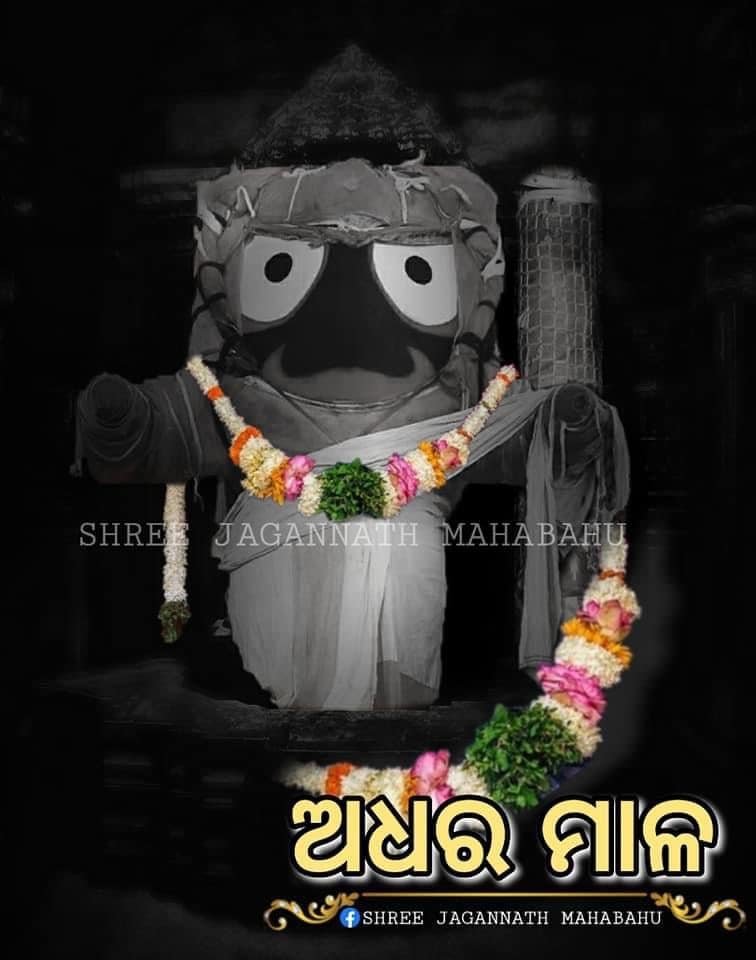
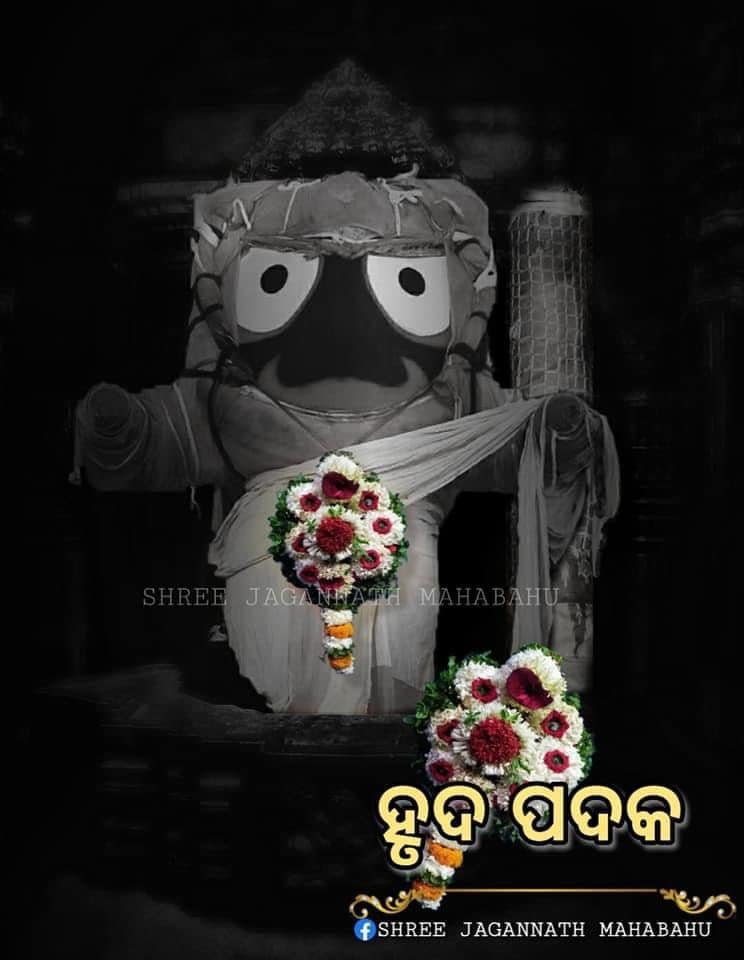
Rath Yatra
Swarga Dwar
-: GateWay To Heaven :-
Here is heartfelt article, the importance of Hindu cremation, focusing on Swargadwara in Puri and the philosophical concept that Human Beings ultimately become “food for fire.”
Swargadwara: The Final Journey Toward Liberation in Hindu Belief
In the sacred town of Puri, Odisha—home to the world-famous Jagannath Temple—there lies a place called Swargadwara, literally meaning “Gateway to Heaven.” Overlooking the roaring waves of the Bay of Bengal, this cremation ground is not just a resting place for the departed; it is a deeply spiritual site woven into the soul of Hindu belief and philosophy.
Thousands of people, not only from Odisha but from across India, wish for their final rites to be performed at Swargadwara. Why? Because according to Hindu scriptures and centuries-old traditions, being cremated here is believed to guarantee moksha—freedom from the cycle of birth and death. For Hindus, this is not just about death—it is about attaining eternal peace.
What is Cremation in Hinduism?
Cremation is not merely the burning of the body. It is the final offering of the physical self to Agni, the fire god. In Hinduism, the body is seen as a temporary vessel—borrowed from the five elements of nature: Earth (Prithvi), Water (Jal), Fire (Agni), Air (Vayu), and Ether (Akash). At death, this vessel must return to its source.
Cremation facilitates this return.
Fire, in this context, is sacred. It is not a destroyer, but a purifier. It consumes the body, reduces it to ash, and helps the soul detach from its worldly bindings. This act is not seen as painful or terrifying, but as a necessary, divine transformation—a passage through which the soul ascends.
Why Swargadwara Is Special
As mentioned in the Kapila Samhita, Swargadwara is one of the seven sacred places where Lord Brahma descended to earth to consecrate the deities of the Jagannath Temple. It is also believed to be the spot where “Daru Brahma,” the divine wood from which Lord Jagannath and his siblings are carved, washed ashore. These myths are not just stories—they are emotional cornerstones for millions of devotees who believe that dying or being cremated here ensures spiritual liberation.
Here, every grain of sand tells a story. The pyres burn continuously. The chants of the priests mingle with the sea breeze. The sound of the waves is like a lullaby, escorting the departed into another realm. For those left behind, it brings comfort—the kind that says, “Your loved one is safe now; they’ve taken the sacred path.”
Becoming One with Fire: The Philosophy
In the end, every human being—no matter how rich, poor, powerful, or humble—must face the truth of impermanence. Hindu philosophy teaches that the body is perishable, but the soul is eternal. The body comes from nature and must return to nature.
Imagine a life that took years to build—memories, achievements, relationships—all reduced to ashes in a few hours. It is a profound reminder of humility. And yet, it is also a moment of beauty, because in those ashes lies the liberation of the soul.
We often say, “From dust we come, to dust we return.” In Hinduism, it is more accurately, “From elements we come, to elements we return.” The fire eats the body not with cruelty, but with compassion. It accepts the final offering, helping the soul rise above its earthly attachments.
This is why many Hindus refer to the body as “food for fire” at the end. It may sound harsh, but in spiritual terms, it is meaningful. Just like the body once took in food to sustain life, now it becomes food to sustain the sacred ritual of transformation.
The Emotional Side of Cremation
Cremation is never easy for the family. Watching a loved one’s body being placed on a pyre is heart-wrenching. The silence that follows the last goodbye is heavy with unsaid words, lingering touch, and the haunting finality of death.
But at Swargadwara, that pain is balanced with purpose. The rituals are done with care. The flames rise not as destruction but as liberation. As the fire consumes the body, family members often feel a strange mix of sorrow and surrender. There is crying, yes—but also a deep, sacred silence that speaks louder than words.
Here, people don’t just burn bodies—they offer their love, their grief, their prayers to the eternal fire. And in doing so, they begin their own process of healing.
A Day at Swargadwara: What It Feels Like
Early in the morning, before the sun rises, priests begin their duties. Families arrive with the departed wrapped in white cloth. Flowers, ghee, camphor, and sandalwood are prepared. The sound of conch shells and the chants of
“Ram Naam Satya Hai” (The name of Lord Ram is truth) echo across the ground.
The sea roars nearby, as if acknowledging every soul making its final journey. Birds fly above, the smoke from the pyres rises slowly into the sky. Everything feels timeless.
In that moment, heaven and earth meet—and Swargadwara becomes what its name promises: a gateway to the divine.
What Happens After Cremation?
After the body is cremated, the ashes are collected and immersed in sacred rivers, often the Ganga or at local holy spots. This, too, is a ritual filled with emotion and belief. It symbolizes the complete dissolution of the physical, letting the soul fully transcend.
Many families perform Pind Daan—offerings to ancestors—believing that such acts help nourish the soul on its way to the higher realms.
But it doesn’t end there. For days, months, and years, the family continues to remember the departed, lighting lamps, performing rituals on death anniversaries (Shraddha), and praying for peace. Death is not an end in Hinduism—it is a transformation.
Why This Message Matters Today
In today’s world of modern medicine and scientific thought, many people forget the spiritual dimension of life and death. But no matter how much progress we make, death remains the greatest mystery and the greatest truth.
Hindu cremation teaches us not to fear death but to understand it. It helps us accept that everything we love, own, or become is temporary. And it reminds us to live with kindness, humility, and purpose—because when the time comes, we all become food for the same fire.
Swargadwara, with all its sacredness and simplicity, teaches this every single day. As the flames rise, they do not just burn wood and flesh—they carry the soul to the heavens, lighting the way for those of us still walking this earth.
Conclusion: Walking Toward the Light
In the final moment, when the pyre is lit, and the flames rise to the sky, a great truth unfolds—we are not our body. We are not our name, our status, or our possessions. We are the soul—a spark of the divine.
And fire, the sacred messenger, takes us back home.
Swargadwara is not just a cremation ground. It is a place where the veil between the worlds becomes thin, where the living and the departed stand side by side, where the soul is reminded of its eternal journey.
It is a place of tears, yes—but also of transformation.
Of sorrow—but also of surrender.
Of endings—but also beginnings.
In the embrace of fire, we do not disappear. We rise.
ArdhaNariswara
Perfect 🙏 I’ll expand it into a longer philosophical article with scriptural grounding, practical meaning, and emotional depth. Here’s a complete version you can use:
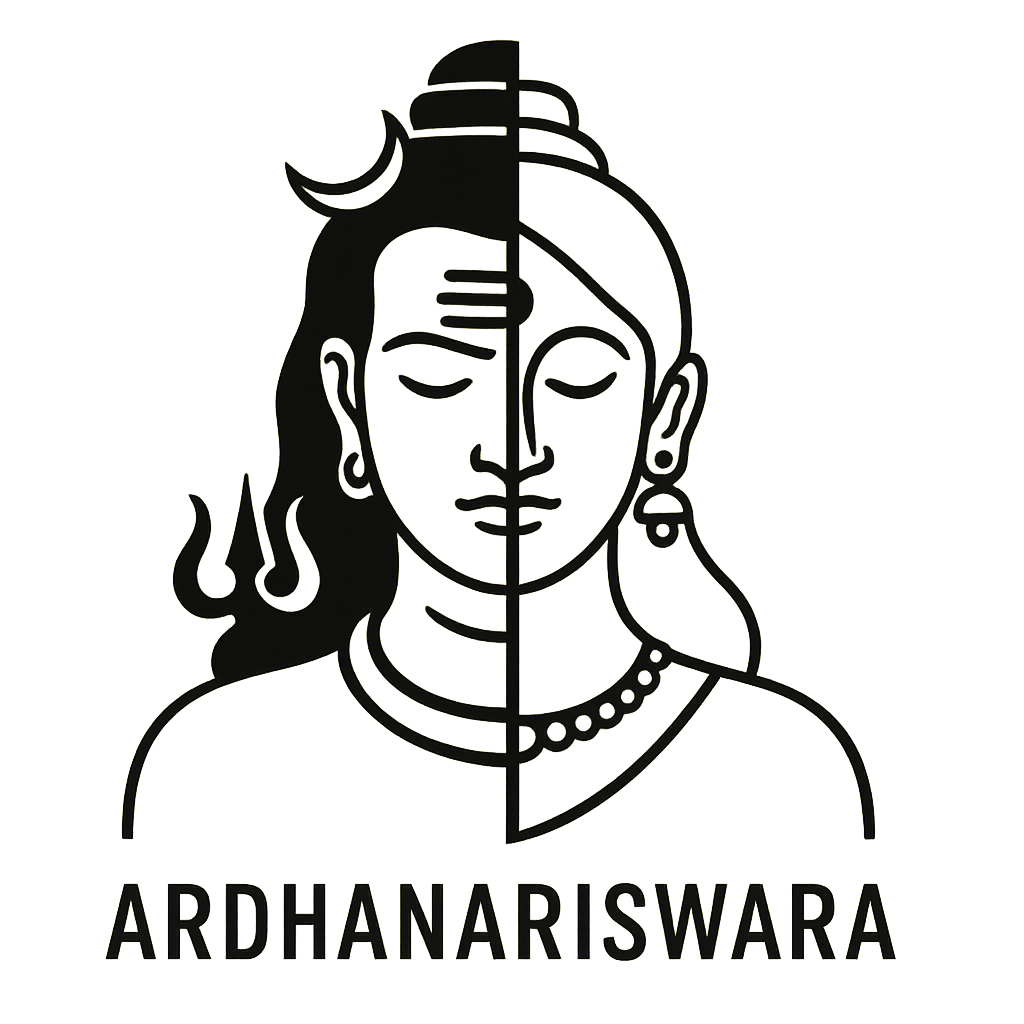
ArdhaNariswara: Beyond Man and Woman
Introduction
The world we see is full of dualities – day and night, fire and water, sun and moon, man and woman. Our mind feels secure when it categorizes everything into two sides. Yet, life is never that simple. Within each duality lies the seed of its opposite. The masculine carries traces of the feminine; the feminine carries traces of the masculine. If we dive even deeper, we realize that the essence of being transcends both.
This timeless truth is beautifully expressed in the concept of ArdhaNariswara – half man, half woman, one divine form. In the image of Shiva and Shakti united, Indian spirituality reveals the secret of existence: that creation, balance, and wholeness are possible only when masculine and feminine energies merge into one.
The Origin of the Concept
The idea of ArdhaNariswara is found in the Shiva Purana, Kalika Purana, and Tantra Shastras. The scriptures describe a moment when the gods and sages were confused about whether Shiva was superior to Shakti or Shakti was superior to Shiva. To resolve this, Shiva appeared in a form where one half of his body was himself, and the other half was Parvati. This was the declaration that neither consciousness (Shiva) nor energy (Shakti) alone can sustain existence. Together, they form the whole.
The Upanishads also hint at this union. The Brihadaranyaka Upanishad describes the primal being as one androgynous entity, which later divided into male and female. This teaching suggests that separation is a later development; the original truth is unity.
The Symbolism of Shiva and Shakti
In the ArdhaNariswara form:
- Shiva (Purusha) represents consciousness, detachment, stillness, awareness, and structure.
- Shakti (Prakriti) represents energy, creativity, movement, emotion, and nurturing power.
Just as the body needs both skeleton (structure) and blood (life force), the universe requires both masculine and feminine energies to function. Neither is greater, neither is lesser – both are two sides of the same eternal truth.
Man Contains Woman, Woman Contains Man
In daily life, this truth manifests within us. A man may be socially identified by his outer form, but he also carries qualities often labeled as “feminine” – love, care, intuition, creativity. Similarly, a woman may be recognized by her body, yet she holds qualities often seen as “masculine” – strength, reason, courage, determination.
The great psychologist Carl Jung called these inner aspects anima (feminine side of man) and animus (masculine side of woman). When a person rejects or suppresses these qualities, he or she becomes incomplete. True maturity comes when both aspects are accepted and integrated.
This is why sages say: when we go to the very core of existence, there is no man, no woman – only the union, the wholeness, the third entity.
The Third Entity: Beyond Gender
The “third entity” does not mean a separate third gender alone; it points to a deeper spiritual reality where man and woman lose their boundaries. In yoga and Tantra, this is the union of Ida and Pingala nadis (the feminine and masculine channels of energy) into the central Sushumna nadi. When this balance is achieved, the yogi experiences completeness, known as samadhi.
This is why ArdhaNariswara is not a mere mythological form, but a spiritual map. It tells us that enlightenment lies in balance, not in division.
Practical Lessons for Today
The teaching of ArdhaNariswara is deeply relevant in our modern world:
- For Individuals – A man does not become less manly by being compassionate. A woman does not become less feminine by being strong. Embracing both sides makes us whole.
- For Society – True harmony comes when we stop creating rigid hierarchies of gender roles and instead honor the balance of energies in everyone.
- For Spiritual Seekers – The ultimate goal is not to become more “male” or more “female,” but to transcend both and realize the inner unity where duality disappears.
The Eternal Dance of Unity
Indian art beautifully depicts ArdhaNariswara not as a static figure but as part of the cosmic dance. This dance is the play of life – sometimes masculine leads, sometimes feminine leads, but always in rhythm together.
Shiva without Shakti is inert, lifeless. Shakti without Shiva is uncontrolled, directionless. Together, they are completeness. Together, they are creation.
Conclusion
The truth of ArdhaNariswara is not a story from ancient scriptures alone. It is the truth of our existence. We are not merely men or women, but a balance of both. Beyond the body, beyond the mind, lies the wholeness where opposites dissolve.
When we realize this, we no longer divide ourselves or others rigidly. We see life as one flowing reality, masculine and feminine dancing as one. That is the state of completeness. That is the eternal truth. That is ArdhaNariswara within us all.
ArdhaNariswara: The Union Within
Not only man, not only woman –
but both, and beyond both.
In every man breathes a mother’s tenderness,
in every woman burns a warrior’s fire.
When we look only at the body,
we say “this is man, that is woman.”
But when we look at the soul,
there is no division, no boundary.
This truth shines in ArdhaNariswara –
half Shiva, half Shakti,
two forms, one essence.
Shiva without Shakti is lifeless.
Shakti without Shiva is directionless.
Together, they are wholeness,
the eternal dance of existence.
ArdhaNariswara whispers to us:
“Be complete.
Do not deny your tenderness if you are strong,
do not fear your strength if you are gentle.
Within you lives both man and woman,
within you lives the Divine Whole.”
In the core of being,
there is no man, no woman –
only pure Oneness,
the eternal ArdhaNariswara within.
** Lords On Wheel **
** Rath Yatra **
Photo Gallery
“What People Say”

Evgenniia Sadaani
Dear Biswanath, It was a great pleasure to meet and talk to you today!! Thank you for the light you put on the story about Jaghannat!! Hope my wish I sent there will come true very soon:)
Taruni Tulsi
,Jai Jagannath! You are extremely kind to me! I’m so grateful and also praying to Radharani you can visit Vrindavan with your family.I’m always keeping that special Bimala Devi prasadam at altar and very grateful to you that you open to me Jagannath Puri, give connection with Him and Devi Maa and give grate example how behaviour real spiritual gentlemen ,
Mahesh Pandit
,Pranām prabhu, Is there any possibility that I can order Jagannatha prasadam every week, because I have not always the time to cook. Please contact me ,thanks,
Lara
,haribol want to change my life ,really..want to ask Jaganath,where i was wrong and why he did not forgive me yet years going on i can’t do anything,my hands like banded vrindavan and puri i am watching my youtube whatever we do just lose money before i was sucsess in bussinesi understand in that……but now going on anything ….. Lara please pray for me Jaganath,please,